
Jet boats are made for high-speed, high-octane fun that comes with owning a watercraft. When it comes to keeping your jet boat in top condition when not in use, protecting it from harsh weather conditions, and keeping it looking pristine, a good jet boat cover is essential. Not all covers are created equal, though. In order to choose the right jet boat cover for your vessel, you need to know what factors to consider. In this blog post, we’ll dive into the different types of jet boat covers, materials, sizes, and additional considerations.
Type of Jet Boat Cover
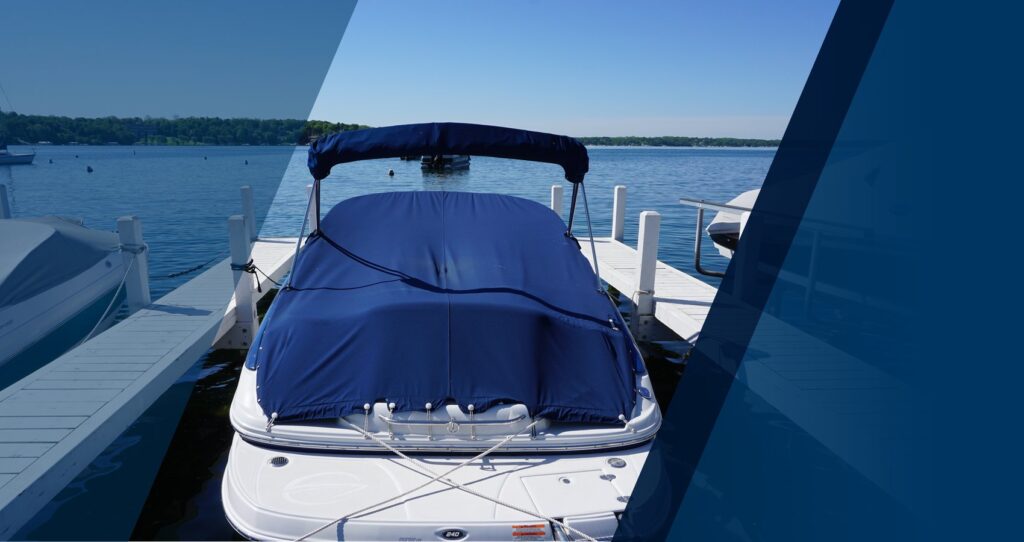
The two main types of jet boat covers are custom-fit and universal-fit covers. A custom-fit cover is designed to fit the exact measurements of your specific jet boat, taking into account the shape and design. This provides the best protection and coverage, but it’s also the most expensive option. A universal-fit cover is designed to fit a broad range of jet boats, but may not fit your boat as well. It’s less expensive than a custom-fit cover, but the trade-off is less protection.
Material
The material of your jet boat cover is important in not only protecting your boat but also in ensuring the cover will last. You want a material that’s water-resistant, breathable, and durable. Most jet boat covers are made of nylon or polyester, with some being a combination of the two. These materials provide the necessary protection and allow air to circulate to prevent mold and mildew from forming.
Size
The size of your jet boat cover is critical in ensuring a good fit and maximum protection. When purchasing a universal-fit cover, make sure the sizing guidelines match your boat’s dimensions. For custom-fit covers, you’ll need to provide your exact measurements to the manufacturer so they can design a cover that will fit your boat properly.
Additional Considerations
When choosing the right jet boat cover, you need to consider any additional features you’d like. Some covers come with straps and buckles to hold it in place during high winds. Others come with vents to allow air to circulate, which can help prevent mildew from forming. And finally, if you plan on trailering your jet boat frequently, you’ll need a cover that’s designed for that purpose, as they’re made to withstand high speeds and the potential wind damage that can occur during transport.
In conclusion, selecting the right jet boat cover is crucial for protecting your investment. By considering the type of cover, material, size, and additional options, you can make an informed decision on what cover works best for your specific needs. Regardless of your choice, ensure you invest in national boat covers to keep your vessel safe from the elements and looking its best for years to come.