
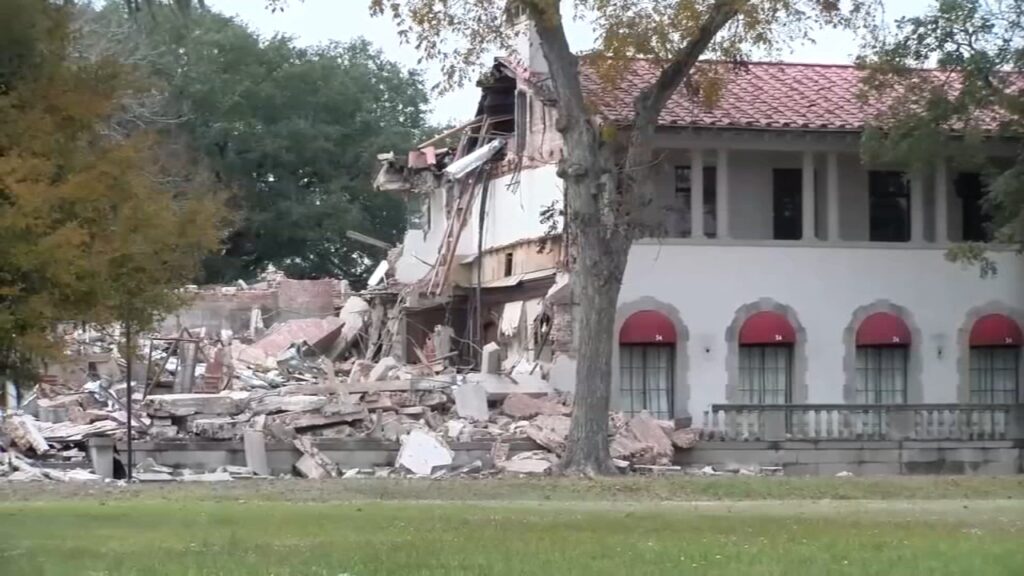
Few events spark community debate like a historic Melbourne mansion demolished to make way for new development. Heritage advocates mourn the loss of craftsmanship and character, while developers argue that growth, housing demand and building condition left them few options. Understanding both sides helps residents make sense of how their neighbourhoods are changing.
Why Developers Defend Their Plans
Developers typically point to several justifications when defending a decision. Many older mansions suffer from structural decay, rising damp, outdated wiring and asbestos, making restoration extremely costly. Others argue that large inner-suburban sites offer a rare opportunity to deliver apartments or townhouses in areas where housing is desperately needed. They also highlight that projects create jobs, boost local spending and can include landscaped public spaces. When a historic Melbourne mansion demolished is replaced with modern, energy-efficient homes, supporters say the community gains long-term value.
The Heritage Perspective
Heritage groups see it differently. Once a significant building is gone, it cannot be replaced. Mansions tell stories about Victorian-era wealth, architecture and the city’s early growth. Critics argue that adaptive reuse, such as converting a mansion into boutique apartments, offices or a community venue, can balance progress with preservation. In Victoria, heritage overlays and planning permits exist to protect important places, and disputes often arise over whether those protections were properly applied.
What the Law Requires
Before any demolition proceeds, developers must secure the correct approvals. This usually includes a planning permit, a building permit and, where relevant, heritage assessments. If a historic Melbourne mansion demolished without proper approvals, councils can pursue penalties, and community pressure often leads to calls for stronger regulation. Transparency is therefore essential, and developers who engage early with councils and residents tend to face fewer disputes.
The Role of Professional Demolishers
Responsible demolishers in Melbourne play a critical part in how these projects are perceived. Licensed contractors manage asbestos removal, dust control, noise limits and safe waste disposal. Many also salvage bricks, timber, stained glass, fireplaces and other heritage materials for reuse, which softens the loss. Experienced demolishers in Melbourne can also advise on staged or partial demolition, retaining a façade or significant features where planning conditions allow.
Finding Common Ground
The best outcomes come from compromise. Developers can commission heritage impact reports, hold community consultations, incorporate original features into new designs, or fund local heritage initiatives. Residents, in turn, can participate in planning processes, lodge objections within set timeframes and push for stronger protections before a property is at risk. Choosing qualified demolishers in Melbourne who respect regulations and community expectations also helps reduce conflict.
Key Lessons for Developers
- Check heritage overlays before purchasing a site
- Obtain every permit before work begins
- Explore adaptive reuse and salvage options
- Communicate openly with councils and neighbours
Final Thoughts
Debates over heritage and development will continue as Melbourne grows. Neither side is entirely right or wrong: cities must evolve, yet their history gives them identity. Developers who plan carefully, communicate honestly and respect local values can defend their projects with credibility, while communities that stay informed and engaged can shape better outcomes. Ultimately, thoughtful decisions made before the bulldozers arrive matter far more than arguments made afterwards. Melbourne’s future depends on getting that balance right.